All Categories
Featured
Table of Contents
Moving Truths of Credit Assessment in Texas
The monetary environment of 2026 has actually moved away from the static, monthly snapshots that specified the previous decade. For residents in Texas, the method credit reliability is determined now depends on a continuous stream of information points instead of a single number upgraded every thirty days. Modern algorithms have actually moved toward cash-flow underwriting, which prioritizes real liquidity and costs habits over historical debt management alone. This change suggests that a person's everyday financial behavior brings more weight than it did simply a few years ago.

Financial counselors in 2026 stress that the traditional credit history is ending up being a secondary metric. Lenders are significantly utilizing exclusive models that incorporate directly with checking account to verify income and outbound expenses in real-time. This shift has actually been driven by the need for more precise threat assessment in an economy where gig work and non-traditional income streams are common. For those residing in Texas, these modifications use both opportunities and obstacles, as a single month of poor cash management can assess a profile much faster than under older systems.
One notable advancement in 2026 is the extensive adoption of trended data. Instead of taking a look at a balance on a particular day, algorithms now analyze whether a customer is "paying down" or "revolving" their debt over a 24-month duration. This distinction assists lending institutions determine people who are caught in a cycle of financial obligation versus those who are actively improving their monetary position. Lots of people discover that concentrating on Medical Debt assists maintain a favorable trajectory even if their overall financial obligation stays moderate.
Integration of Alternative Data Points
By 2026, the addition of "alternative" information has actually become standard practice throughout all major bureaus. This includes rent payments, energy costs, and even membership services. Formerly, these items only appeared on a report if they went to collections, but modern models reward constant on-time payments for these daily costs. This change has actually helped countless people with "thin" credit files establish a footprint without requiring to take on high-interest charge card financial obligation.
In Texas, local home management firms and utility providers have actually mainly automated the reporting of these payments. Therapists frequently recommend customers to guarantee their Debt is properly connected to these accounts to optimize the benefit. If an individual pays lease on the first of the month for three years straight, the 2026 algorithms treat this as a high-intent indication of dependability, comparable to a mortgage payment. This leveling of the field permits renters to complete for better rates of interest on auto loans and individual lines of credit.
Professional strategies now include "information health" rather than simply balance management. Consumers are encouraged to audit their digital monetary footprint to make sure that no small, forgotten memberships are triggering friction in their data stream. Because Professional Credit Rebuilding Services offers a clear window into monetary routines, maintaining a clean and foreseeable costs pattern is the most effective way to develop a high rating in the present year.
The Effect of AI and Predictive Modeling
Artificial intelligence has basically altered how danger is computed in 2026. Unlike older direct models, AI-driven algorithms can identify intricate connections that humans might miss. An abrupt shift in where an individual shops or a modification in the frequency of small-dollar transfers can trigger a danger alert. These designs are not trying to find a particular mistake, but rather a modification in the "monetary velocity" of the person. This predictive nature means that ratings can vary based on viewed future risk, even if no payments have been missed out on.
This predictive modeling has actually led to the increase of customized credit coaching. Therapists in Texas use software that mirrors these AI models to offer customers a "pre-score" evaluation. This allows individuals to see how a specific purchase or a brand-new credit inquiry may impact them before they take action. In 2026, the goal is to remove the secret of why a rating moves. Most consumers now have access to "what-if" simulators that are even more precise than the generic tools offered in the early 2020s.
For those aiming to enhance their standing, the focus has moved towards "favorable signaling." This includes intentionally producing information points that the AI deem low-risk. Lots of people looking for Credit Rebuilding for Borrowers find that preserving a high "buffer" in their bank account is simply as crucial as keeping charge card balances low. The algorithm sees a consistent cash reserve as an indication that the customer is unlikely to depend on high-interest debt throughout an emergency.
New Credit Building Strategies for 2026
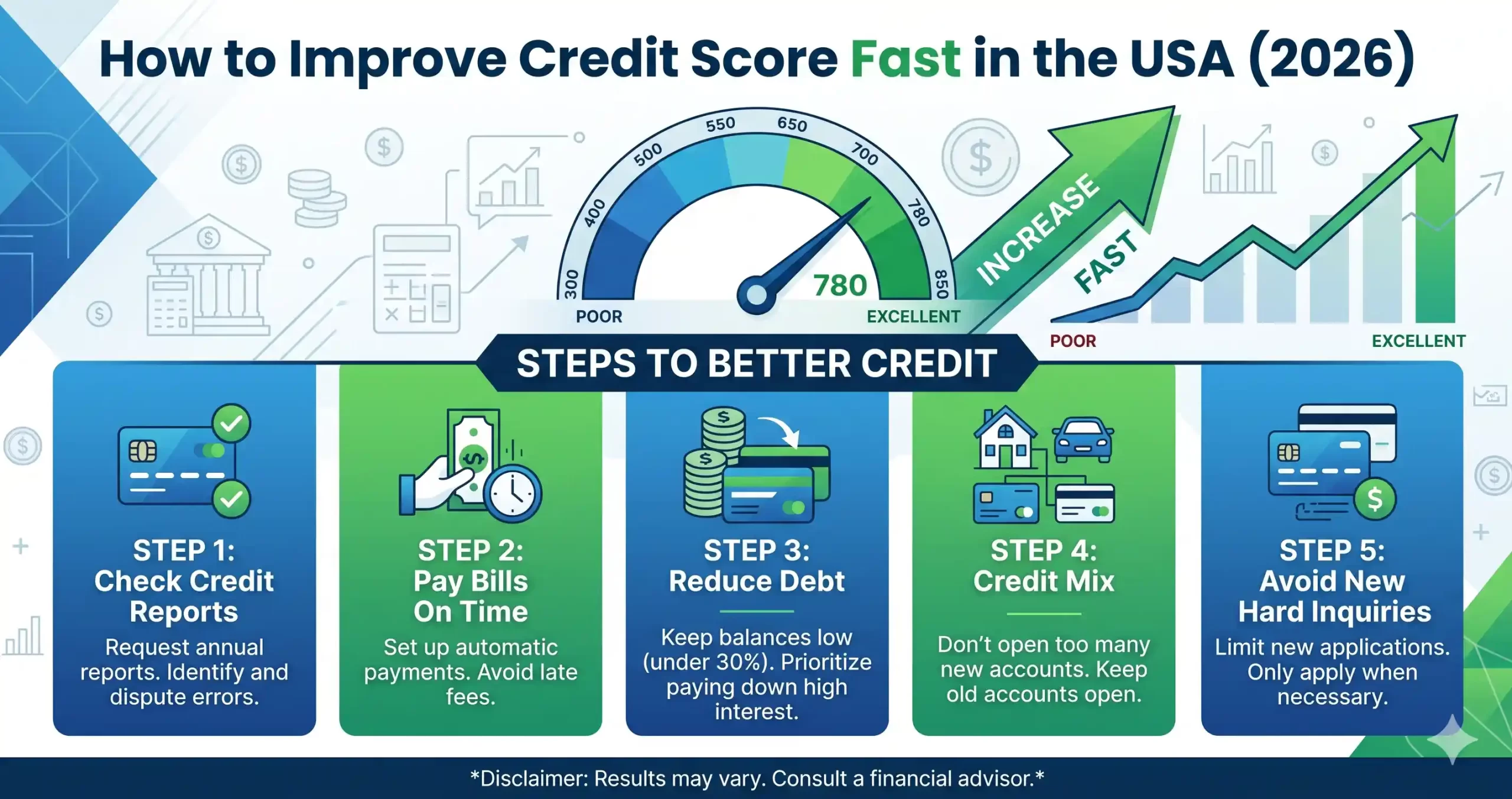
Techniques that worked five years earlier are frequently insufficient today. In 2026, the most reliable method to develop credit is through a combination of micro-payments and varied credit types. Rather of paying a bill once a month, lots of consumers now utilize automated systems to make weekly payments. This keeps the "average day-to-day balance" low, which is a metric that 2026 algorithms weigh greatly. High usage on the "declaration date" is no longer the only issue; the algorithms see the balance every single day.
- Cash-Flow Management: Keep a consistent margin in between earnings and expenses to please real-time monitoring tools.
- Energy Reporting: Opt-in to programs that report phone, internet, and electrical energy payments to the bureaus.
- Credit Mix: Guarantee a balance between revolving lines (cards) and installation loans (automobile, individual, or credit-builder loans)
- Payment Frequency: Approach bi-weekly or weekly payments to reduce the effect of interest and lower typical balances.
In Texas, credit-building specialized accounts have actually ended up being a popular entry point for young specialists. These accounts serve as a hybrid between a cost savings account and a loan, where the deposited money functions as security. The 2026 version of these tools frequently consists of a Debt that provides instantaneous feedback on how the account is assisting the user's profile. This instant gratification helps people stay inspired and consistent with their monetary objectives.
Regional Economic Consider Credit Scoring
Another shift in 2026 is the inclusion of regional economic context. Algorithms now element in the cost of living and the local job market in Texas when determining threat. A $50,000 income in a high-cost area is seen in a different way than the exact same income in a more budget-friendly region. This hyper-local method suggests that credit rating are becoming more relative. A "good" score in one part of the nation might be calculated using slightly different weights than a rating in another, depending on the typical debt levels and default rates of the local population.
Lenders are also looking at the stability of the company and the market the consumer operates in. In 2026, someone working in a high-growth sector in Texas may receive slightly more beneficial terms because the algorithm anticipates higher income stability. This has actually caused a more nuanced view of credit that accounts for the truth of the local economy. While some critics argue this develops local variations, others mention that it permits more accurate lending in unpredictable markets.
Financial therapy has actually adjusted to this by using localized guidance. Rather of generic nationwide ideas, advisors in Texas look at regional trends to assist customers place themselves much better for local loan providers. Understanding how Debt views threat in the present year is important for anybody looking to secure a significant loan or home loan.

Keeping Strength in a Real-Time World
The speed of financial data in 2026 methods that healing from an obstacle can be faster, but the margin for error is smaller sized. In the past, a missed out on payment could haunt a report for seven years with extremely little a consumer might do to offset it. Today, while the late payment remains, the "recovery period" is more visible. If a consumer reveals 6 months of impeccable capital and on-time payments following a mistake, the AI models of 2026 are configured to acknowledge the "rebound" and adjust ball game up more rapidly than older models did.
Staying informed is the finest defense versus algorithmic volatility. Many people in Texas now utilize apps that supply everyday updates and signals for any modifications in their profile. These tools often recommend specific actions, such as "reallocate $200 from cost savings to pay down Card X," to enhance the rating for the following week. This level of granular control was non-existent in the past but is now a basic part of modern monetary life.
As we move through 2026, the relationship in between the customer and the credit bureau is becoming more interactive. It is no longer a one-way street where the bureau determines a person's worth. Through the use of Debt, individuals have the power to share more of their monetary story, showing their dependability through a larger series of data. The objective of these modern-day algorithms is not to leave out individuals, however to discover more ways to state "yes" by taking a look at the entire photo of an individual's monetary life.

Latest Posts
The Advantages of Professional Financial Counseling Programs
Essential Financial Literacy Concepts for Adults in 2026
Finding Free Credit Counseling Near Me in 2026